

Disclosure / Affiliate Notice:
As an Amazon Associate I earn from qualifying purchases.
Some links in this article may be affiliate links that earn me a commission at no extra cost to you.
The first afternoon of gardening usually starts with enthusiasm and ends with a surprising amount of improvisation. Someone uses a kitchen spoon to dig a small hole for herbs. A screwdriver becomes a makeshift weeding tool. Soil ends up under fingernails because gloves weren’t nearby.
The plants may still go into the ground, but the process feels slower than expected.
Most beginners discover that gardening itself is simple; the difficulty often comes from not having the right tools within reach.
Small Jobs Happen More Often Than Big Ones
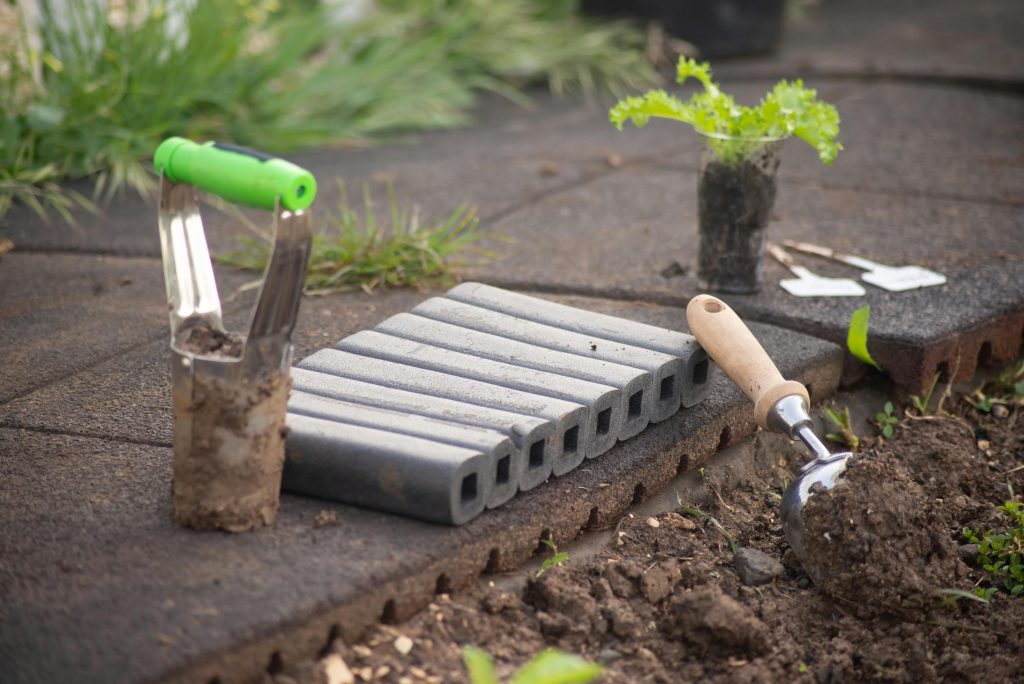
New gardeners often imagine large tasks—digging beds, planting rows, turning soil. In reality, many gardening moments are small adjustments:
- loosening soil around a plant
- removing a few weeds
- transferring seedlings into larger pots
- adding fresh soil around roots
These tasks require precision rather than strength. Large tools like full-size shovels feel awkward in tight spaces, especially around containers or raised beds.
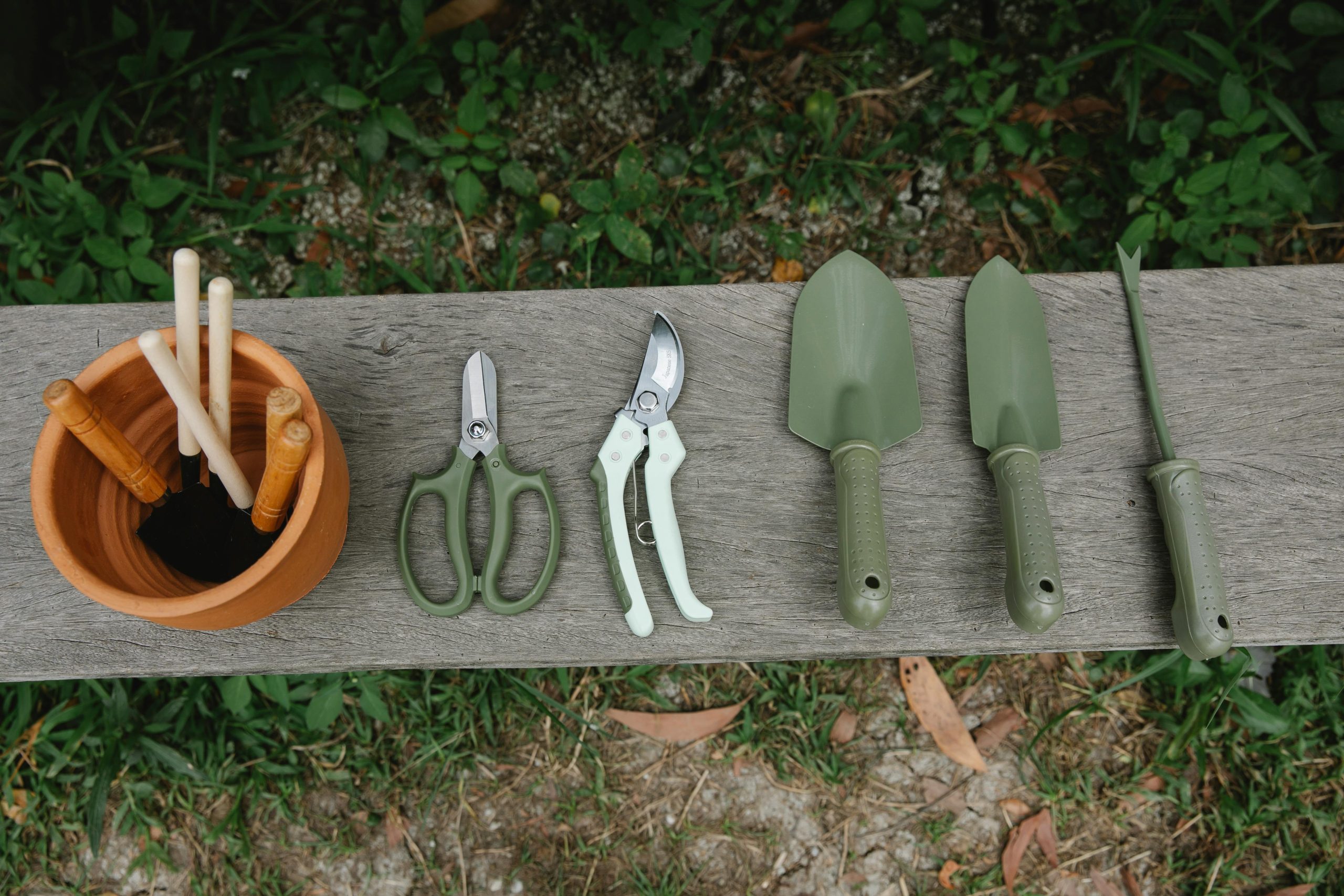
This is where beginner tool sets make sense. They usually include smaller hand tools designed for close work, allowing gardeners to dig and adjust soil without disturbing nearby plants.
The Three Tools That Handle Most Early Gardening
Even modest gardens rely on the same core actions: digging, loosening soil, and removing weeds. A simple beginner set typically includes tools designed for each of these.
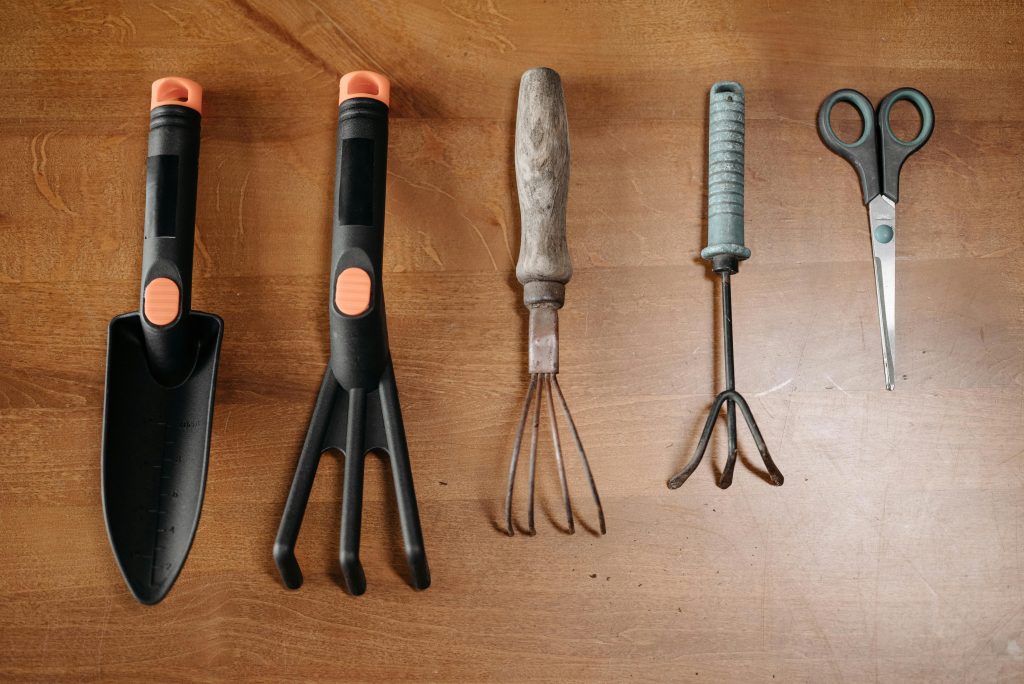
A hand trowel handles digging small holes for seedlings or bulbs.
A hand fork loosens compacted soil so roots can spread.
Pruning shears manage trimming tasks such as removing dead leaves or cutting herbs.
These tools become the ones that rarely leave the garden area because they solve the most common problems quickly.
Comfort Starts to Matter After Twenty Minutes
Gardening seems gentle until the hands repeat the same motion for half an hour.
Handles that are too thin or made from rigid plastic can cause fatigue surprisingly quickly. When the grip becomes uncomfortable, people tend to stop earlier than planned.
Comfortable tools usually share a few characteristics:
- slightly thicker handles that fit naturally in the hand
- textured surfaces that prevent slipping when wet
- balanced weight so the wrist doesn’t carry all the force
These details don’t matter when planting a single flower, but they become noticeable during longer sessions.
Storage Prevents Tools From Disappearing
Small hand tools have a habit of disappearing into the garden.
They get left beside a pot, buried under soil, or carried indoors and forgotten in a kitchen drawer. Eventually the gardener spends more time searching for tools than using them.
Beginner tool sets often include a storage bag or hanging loop system. That simple addition keeps everything together and encourages a habit: finish gardening, clean the tools, and return them to the same place.
When tools stay organized, gardening sessions start faster.
Why Sets Help New Gardeners Build Routine
Buying individual tools one by one often leads to mismatched equipment. One tool might be sturdy while another bends easily. Handles vary in size and grip.
Starter sets avoid this inconsistency. They provide a balanced collection designed for similar tasks and comfort levels.
A typical example looks like this:
👉 beginner garden tool set (affiliate link)
The value isn’t the number of tools included. It’s that a new gardener immediately has what they need for the most common planting and maintenance tasks.
The Moment Gardening Starts Feeling Easier
At some point the small routines become automatic.
The trowel makes quick holes for seedlings. The hand fork loosens soil without damaging roots. Pruning shears trim herbs directly into a bowl for dinner.
Instead of searching for tools or improvising with kitchen utensils, the gardener simply reaches into a bag and continues working.
And that’s usually when the garden begins to grow faster than expected.
Disclosure / Affiliate Notice:
As an Amazon Associate I earn from qualifying purchases.
Some links in this article may be affiliate links that earn me a commission at no extra cost to you.